
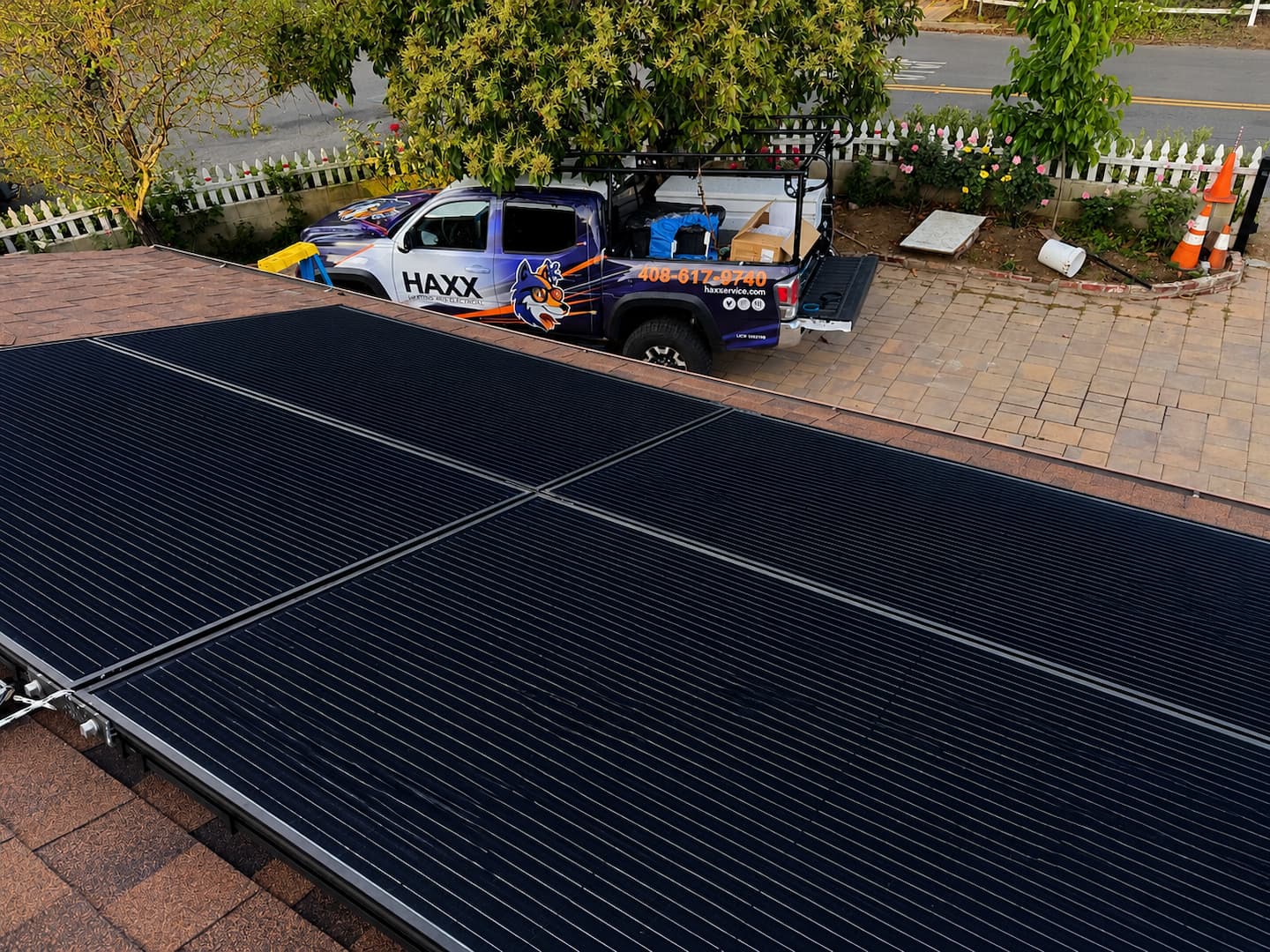
HAXX solar installation service in San Jose

Electrical Service | Solar Installation

San Jose solar installation for properties ready for a more organized energy plan.

A solar project should make sense on the roof, at the panel and in the way the property actually uses power. HAXX approaches solar installation with attention to roof fit, electrical integration, current usage and future demand so the finished system supports more than a simple equipment sale.

Roof-Mounted Solar Electrical Integration Usage-Based Planning San Jose & South Bay
Roof Fit The project starts with whether the roof, layout and exposure support a practical installation path.
Panel Awareness Solar should be planned with the property’s electrical base in mind instead of being treated like a stand-alone add-on.
Future Demand EV charging, electrification and bigger household loads matter if they are already part of the property’s next chapter.
Book Online
Site Review Share the property, roof conditions and energy goals so the project starts with stronger context.
Direct Call Call if you want to talk through panel questions, future EV plans or solar fit before booking.

Project Fit

Good solar projects usually line up roof conditions, electrical readiness and real power use at the same time.

Solar installation is not only about adding panels. The project has to make sense in terms of usable roof area, electrical tie-in, current energy habits and how the property is expected to evolve over the next few years.

What HAXX Looks At

The strongest solar installs begin with a clearer read on the property.

HAXX treats solar as an electrical and property-fit project, not only a roof product. That means planning the system around site conditions, current usage and whether the rest of the electrical setup can support the direction the property is heading.

Roof area and exposure

Available roof space, layout and exposure influence whether the design can stay practical and productive over time.

Electrical base

The panel and service arrangement matter because solar has to integrate cleanly into the broader electrical system.

Usage profile

The system should reflect how the property actually consumes energy instead of being sized around generic assumptions.

Future load growth

EV charging, electrification and added equipment should be part of the conversation if they are already on the horizon.
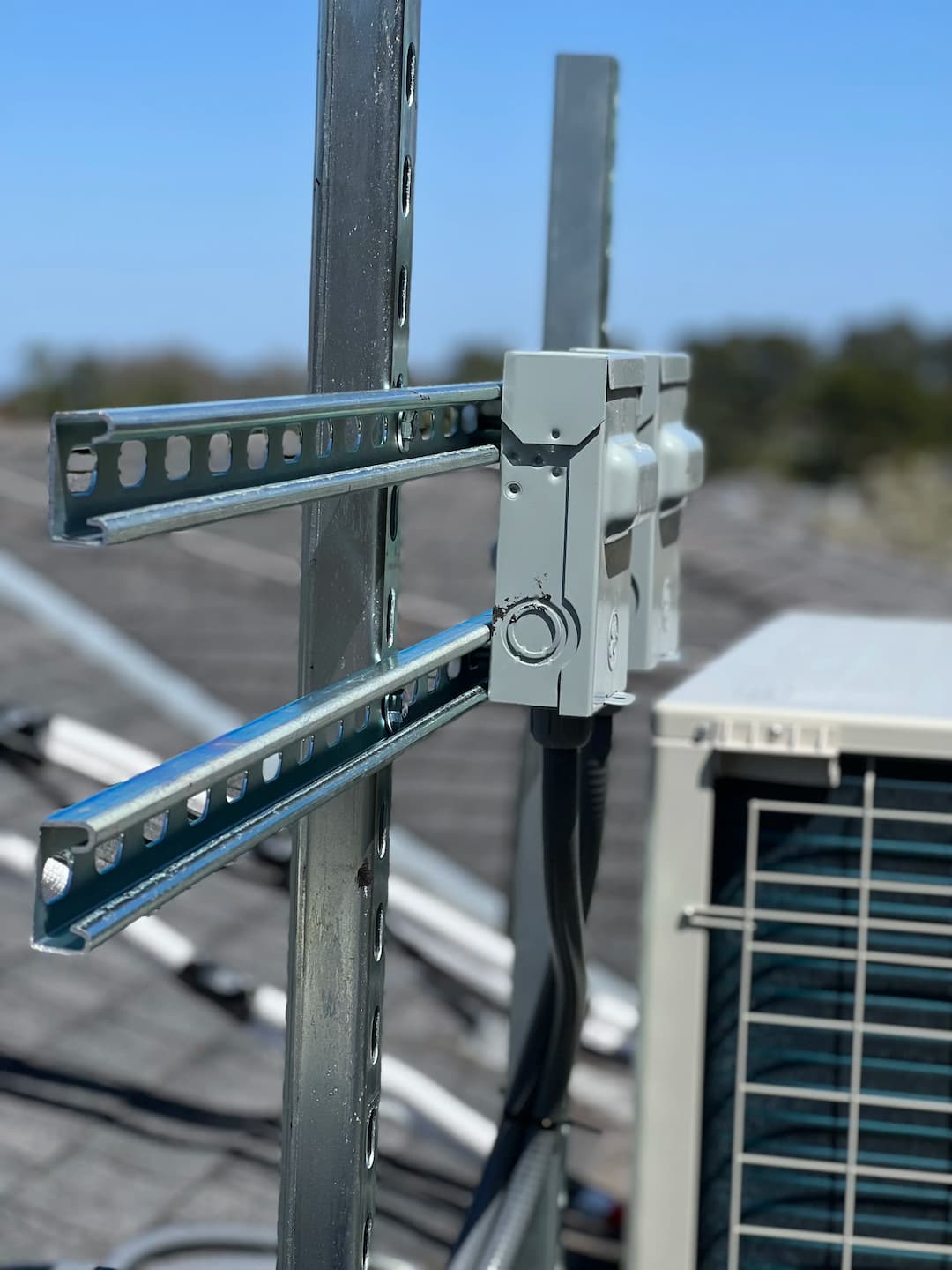
HAXX technician supporting solar installation planning
Property Fit

Solar makes more sense when roof layout, electrical conditions and long-term energy goals are solved together instead of one at a time.

The project should fit the property, not just the sales story.

A cleaner solar install usually comes from saying no to assumptions early. Better roof fit, better panel awareness and better planning around future energy use all make the finished system feel more grounded.

Roof Review Panel Fit Usage Clarity

System Path

Solar should be planned as one system connecting production, panel integration and the property’s next energy moves.

The installation needs to work as more than a collection of components. Roof layout, electrical tie-in, usage goals and future equipment all influence whether the project stays useful after the install is complete.
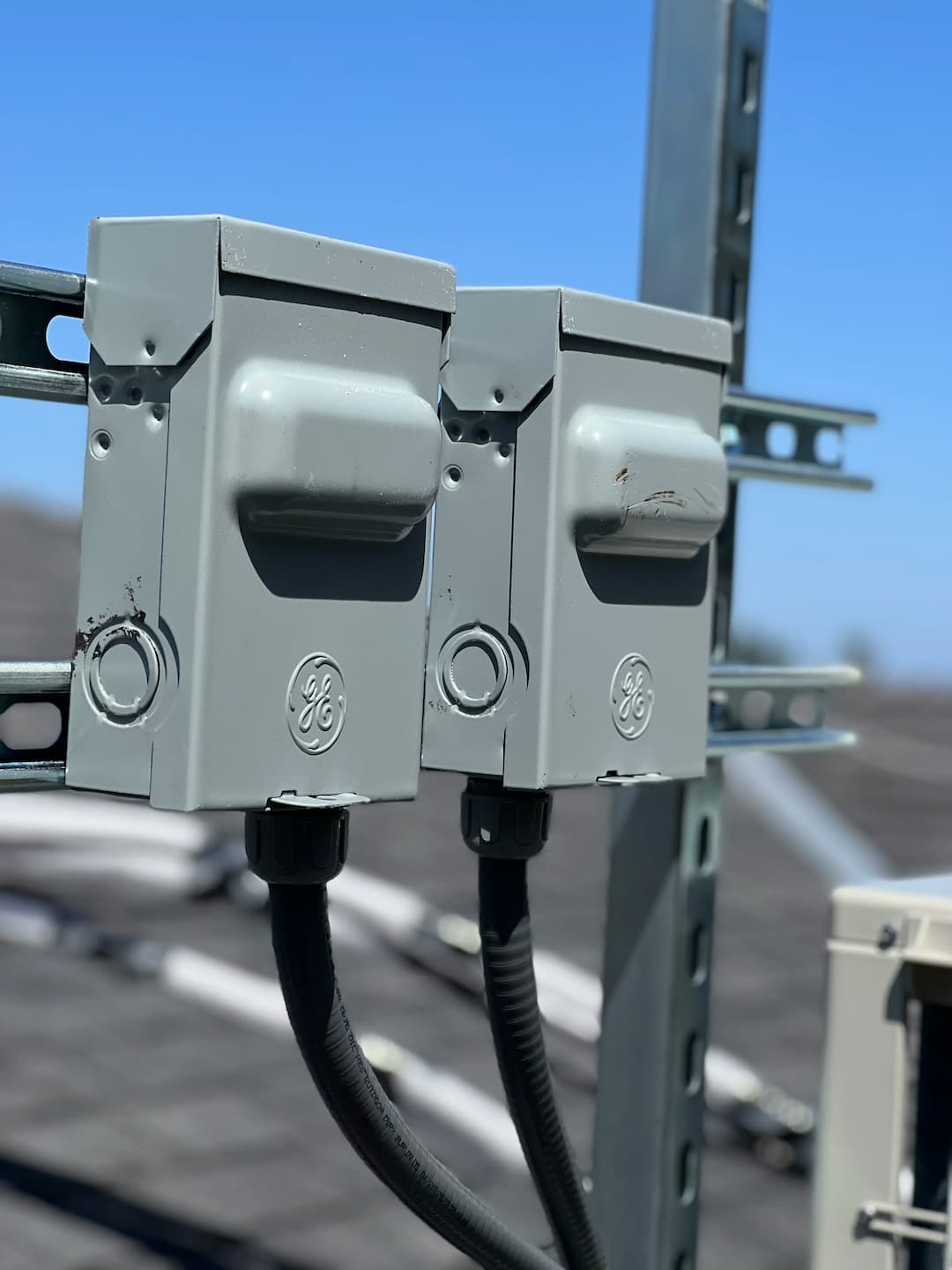
Technical equipment detail used as a temporary placeholder for solar electrical integration

The technical side matters because solar only delivers long-term value when the electrical side is solved properly too.

A panel that is already tight, a future EV charger or a property moving toward electrification can all change what the stronger solar path looks like from the start.

How HAXX Frames The Project

The solar path should answer where power comes from, where it lands and what the property is becoming.

Scope depends on the site, but most solar installs come down to the same big questions: how the roof supports the array, how the system ties into the electrical base and whether the property’s next loads are already visible enough to influence the plan.

Roof layout strategy

The array should be shaped around usable roof conditions instead of forcing a design that only looks clean on paper.

Panel integration

Solar has to connect into the property’s electrical system in a way that feels intentional and ready for normal operation.

Current energy use

The system should reflect how the property uses power now rather than being built around a vague target.

Future electrification

If EV charging or larger electric equipment is coming, the solar conversation should not ignore that next layer of demand.

Clean project coordination

The install should feel organized across design logic, electrical work and how the property owner understands the scope.

Long-term usability

The finished result should feel like a better energy system for the property, not just equipment added to the roof.

The goal is not simply to place panels overhead. It is to leave the property with a solar system that fits the roof, respects the electrical base and aligns with the next phase of energy use more cleanly.

Production Planning Electrical Tie-In Future Load Awareness

Planning Angles

Most solar projects are really balancing three connected layers of the property.

Homeowners often come in thinking mainly about panels, but the stronger solar conversation usually moves across the roof, the electrical base and the future energy direction of the site all at once.

Roof Layer

What the roof can support.

This side of the project is about usable area, layout and whether the installation can stay clean and practical on the structure itself.

  • Roof geometry shapes the array plan
  • Exposure and arrangement affect practical production goals
  • The installation should feel intentional on the property
Electrical Layer

How the system ties into the property.

Solar is still an electrical project, which means the panel, service conditions and broader power distribution all influence what the cleanest path looks like.

  • Panel condition matters before the tie-in happens
  • The system should fit the site’s real electrical base
  • Integration should support future work instead of complicating it
Future Layer

Where the property is headed next.

Solar planning gets stronger when it reflects not only current usage, but the loads and upgrades the owner is already moving toward.

  • EV charging may change how the system should be framed
  • Electrification shifts what future demand can look like
  • The best installs respect both current and next-stage use

Why HAXX

Solar projects need stronger electrical thinking and clearer property-fit planning.

The value of a good solar install is not only the equipment on the roof. It is the quality of the planning behind the finished system, how well it integrates into the property and how clearly the project supports the owner’s longer-term energy direction.

Clear Scope The installation plan should make sense before work starts, not become clearer only after the project is underway.
Electrical Awareness Solar should fit the broader electrical system instead of being treated like an isolated roof product.
Usage-Based Planning The project should reflect how the property uses power now rather than following a generic sizing script.
Future-Ready Direction The system should leave better room for where the property’s energy and electrical goals are headed next.
What Property Owners Need

Why solar usually works better when it is framed as a broader property decision.

Roof Practicality The owner needs to know the installation actually fits the structure and layout in a workable way.
Panel Clarity Solar should not create confusion around the electrical base. It should align with what the panel can support and where upgrades may be needed.
Long-Term Fit The finished system should still make sense if EV charging, electrification or broader energy changes are already in view.
Roof Fit Panel Integration Future Load Planning

Solar Installation FAQ

Common questions before booking solar installation.

Solar projects usually raise practical questions about roof fit, panel impact and how the system should support the property long term. These are some of the most common questions that come up before scheduling.

How do I know if my property is a good fit for solar?

A good fit depends on more than one factor. Roof space, layout, exposure, electrical conditions, energy use and future plans for the property all shape whether the project makes practical sense.

Can solar installation require panel work too?

In some cases, yes. The property’s existing panel and service conditions can influence what kind of solar integration is practical and whether other electrical work should be part of the broader plan.

Should solar be planned differently if EV charging or more electrification is coming later?

Yes. If future electrical demand is already visible, it is usually better to plan solar with that trajectory in mind rather than size and integrate the system as if today’s load is the final picture.

Do you only work on residential projects?

HAXX supports residential and broader property-based solar installation projects, including work that benefits from a stronger electrical and planning-driven approach.

Book Installation

Book solar installation with HAXX.

If the property is ready for solar and needs a clearer plan for roof use, panel integration and long-term energy direction, HAXX can help move the installation forward with more organized answers and dependable next steps.

Solar Installation Electrical Integration Homes & Property Projects South Bay Coverage
Quick Contact

Direct access to the HAXX team.

Phone (408) 901-8315
Email support@haxxservice.com
Address 1462 Merry Ln San Jose, CA 95128
Coverage San Jose, Santa Clara, San Mateo and nearby South Bay communities
License LIC #1081990
Roof Review Panel Questions Solar Planning