

Electrical Service | EV Charger Installation
San Jose EV charger installation for homes, garages and property charging upgrades.
A charger install works best when the electrical plan is settled before the equipment is mounted. HAXX helps align charger type, panel capacity, circuit sizing and placement so the finished setup feels clean, code-aware and practical for everyday charging.
Typical Projects
Most EV charger installs are shaped by parking layout, panel capacity and how the charger will be used.
Some installs are straightforward garage charging upgrades. Others involve detached parking, longer conduit runs, shared household load or planning for more than one EV. The best layout is the one that makes charging feel natural without forcing the electrical system into shortcuts.
Homeowners usually book when they want faster charging without guessing through the electrical side of the project.
EV charger installation is rarely just about hanging a unit on the wall. The project has to work with where the vehicle parks, how often it charges and what the home or property can actually support at the panel.
A Level 2 charger becomes most useful when the setup is built around everyday parking habits instead of idealized placement.
Longer runs and outdoor mounting can still work well, but they need cleaner routing and better planning from the start.
Many bookings start when the homeowner wants to know whether the existing panel can support the charger correctly.
The install should make sense for today without ignoring the possibility of a second vehicle or higher charging demand later.
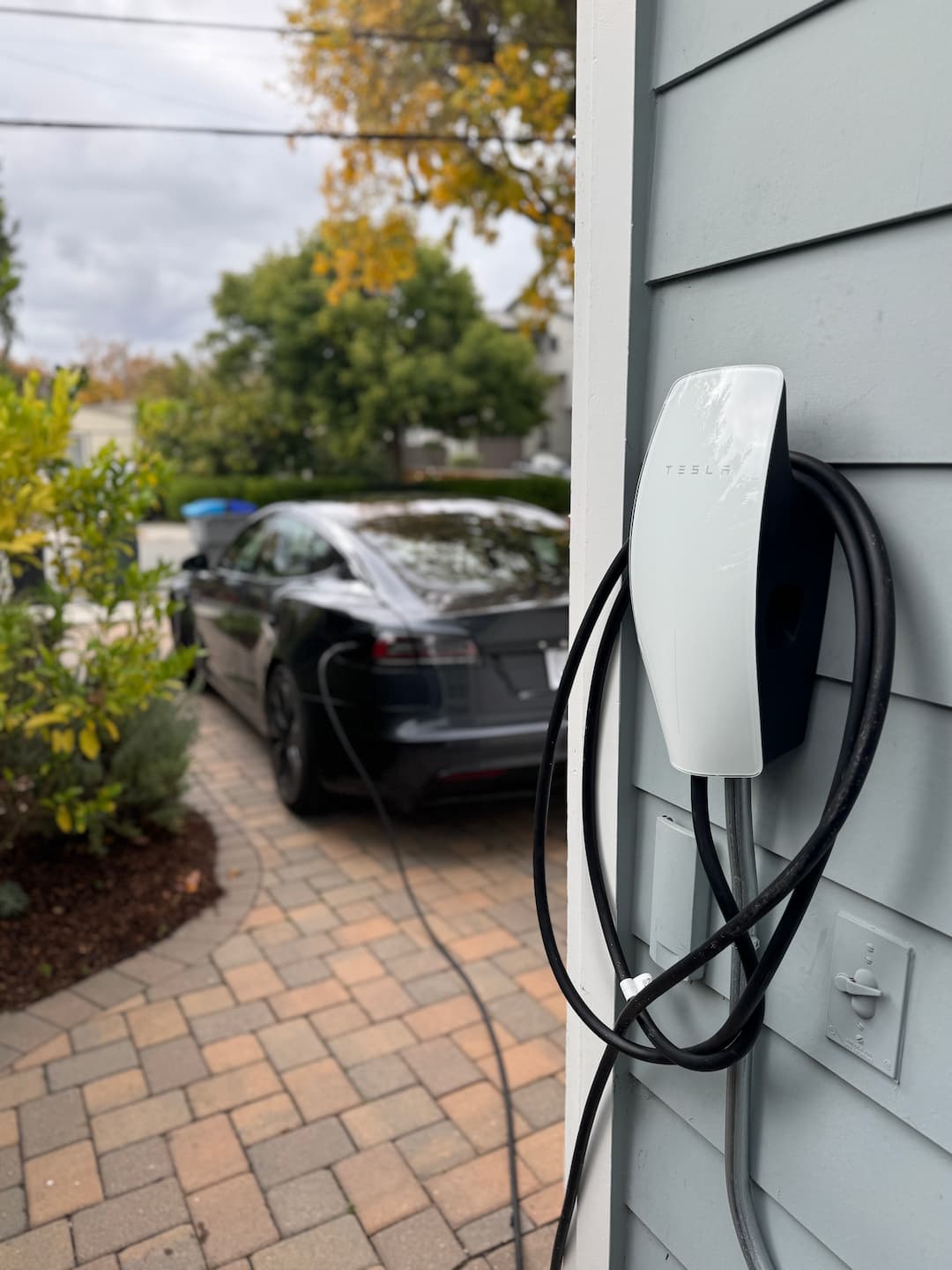
The charger should fit the way the property actually works.
Good installs feel easy after they are done. That usually comes from making the right placement and circuit decisions before the wall is opened, the conduit is run or the charger is mounted in the wrong spot.
Electrical Readiness
Clean charger installs depend on panel capacity, circuit planning and charger location.
A charger can look simple on the wall while the real project sits behind it. Load availability, conductor path, mounting surface, distance from the panel and code requirements all influence whether the finished setup feels dependable or improvised.
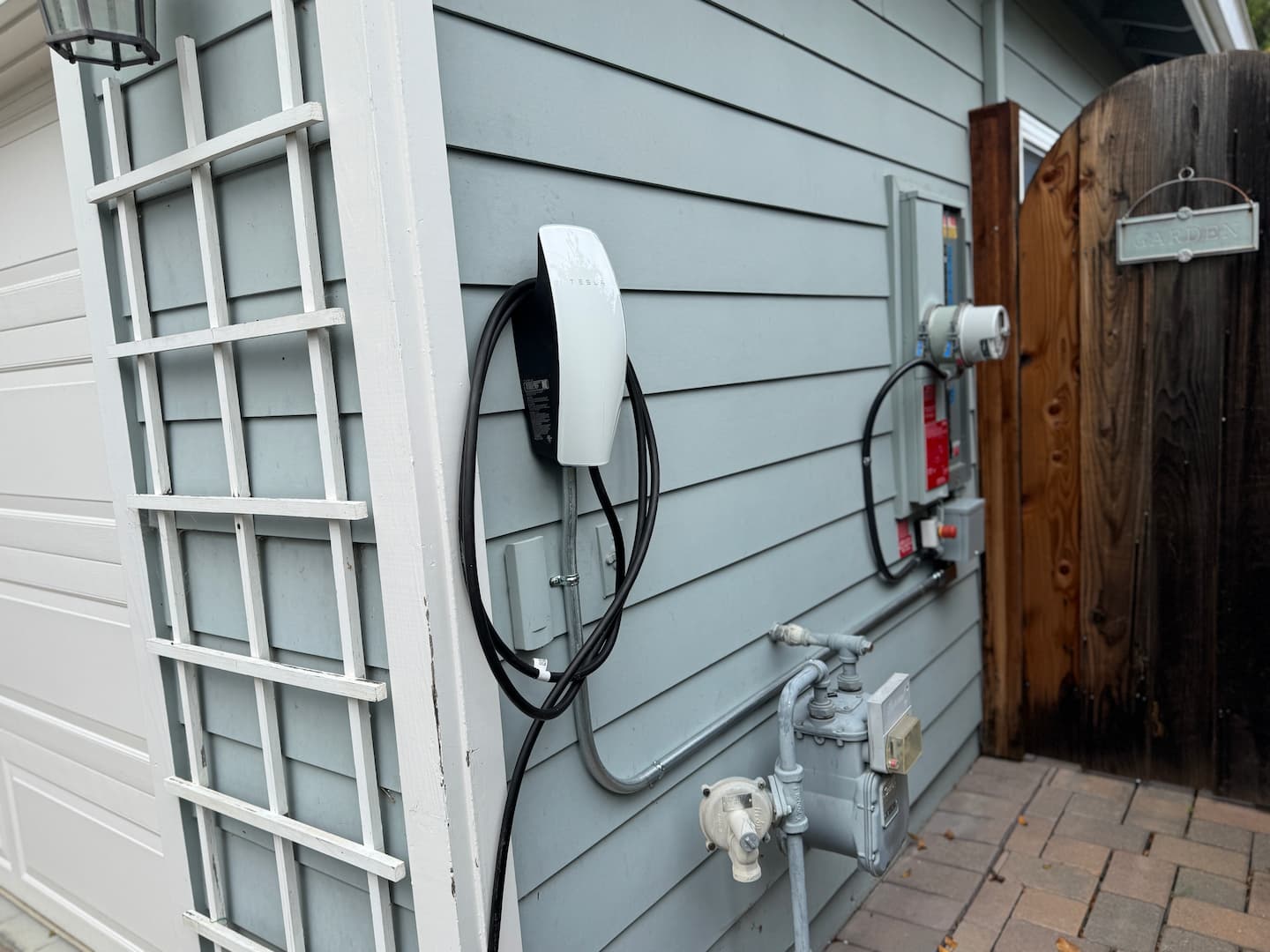
A charger project feels simple only after the electrical groundwork is sorted out.
The visible part of the install is only the end result. The more important decisions usually happen earlier, when the property is being checked for capacity, routing and a mounting location that will still feel right months from now.
The installation plan should answer the electrical questions before work starts.
Every property is different, but most EV charger installs come down to the same core checks: what the electrical system can support, where the charger should live and how to finish the project cleanly enough that daily charging feels easy.
The home or property needs enough room for the charger load without treating the panel review like an afterthought.
The charger should be served by a circuit path that matches its output and the conditions of the site.
Vehicle needs, charger rating and electrical limitations all have to line up in a way that makes practical sense.
The charger has to be placed where the vehicle can use it comfortably without awkward parking or stretched cable routing.
Conduit path, distance, finish surfaces and access points all influence how clean the final install can be.
The project should move forward with the discipline expected from professional electrical work, not guesswork in the field.
The goal is not only to energize the charger. It is to leave the property with a setup that feels organized, safe to use and easy to live with as EV charging becomes part of the normal routine.