

Appliance Repair | Washer Repair
San Jose washer repair for draining problems, spin failure and wash cycle issues.
When the washer stops draining correctly, leaves clothes soaked, shakes hard, leaks water or fails to finish the cycle the way it should, HAXX helps identify the fault and move the repair forward with a more organized service process.
Common Service Calls
Washer problems usually show up through water, motion and cycle completion first.
Many washer repair calls begin before the appliance fully stops. The machine still powers on, but it leaves water behind, fails to spin out the load, shakes hard or starts leaking in a way that turns one laundry cycle into a larger cleanup problem.
Most bookings happen when the washer still runs, but no longer finishes laundry cleanly.
Washer repair is often about restoring a cycle that fills, washes, drains and spins the way it should. Once one of those stages breaks down, the load stops feeling finished and the machine stops feeling dependable.
The cycle may end with standing water still inside, leaving the load too wet and the machine not truly ready for the next use.
If the washer is not spinning out moisture correctly, the load moves into the dryer already behind.
Hard movement, vibration and noisy spin behavior usually mean the washer is losing control over balance or drum handling.
Leaks, stopping behavior and interrupted cycles all signal that the washer is no longer managing water and progression correctly.
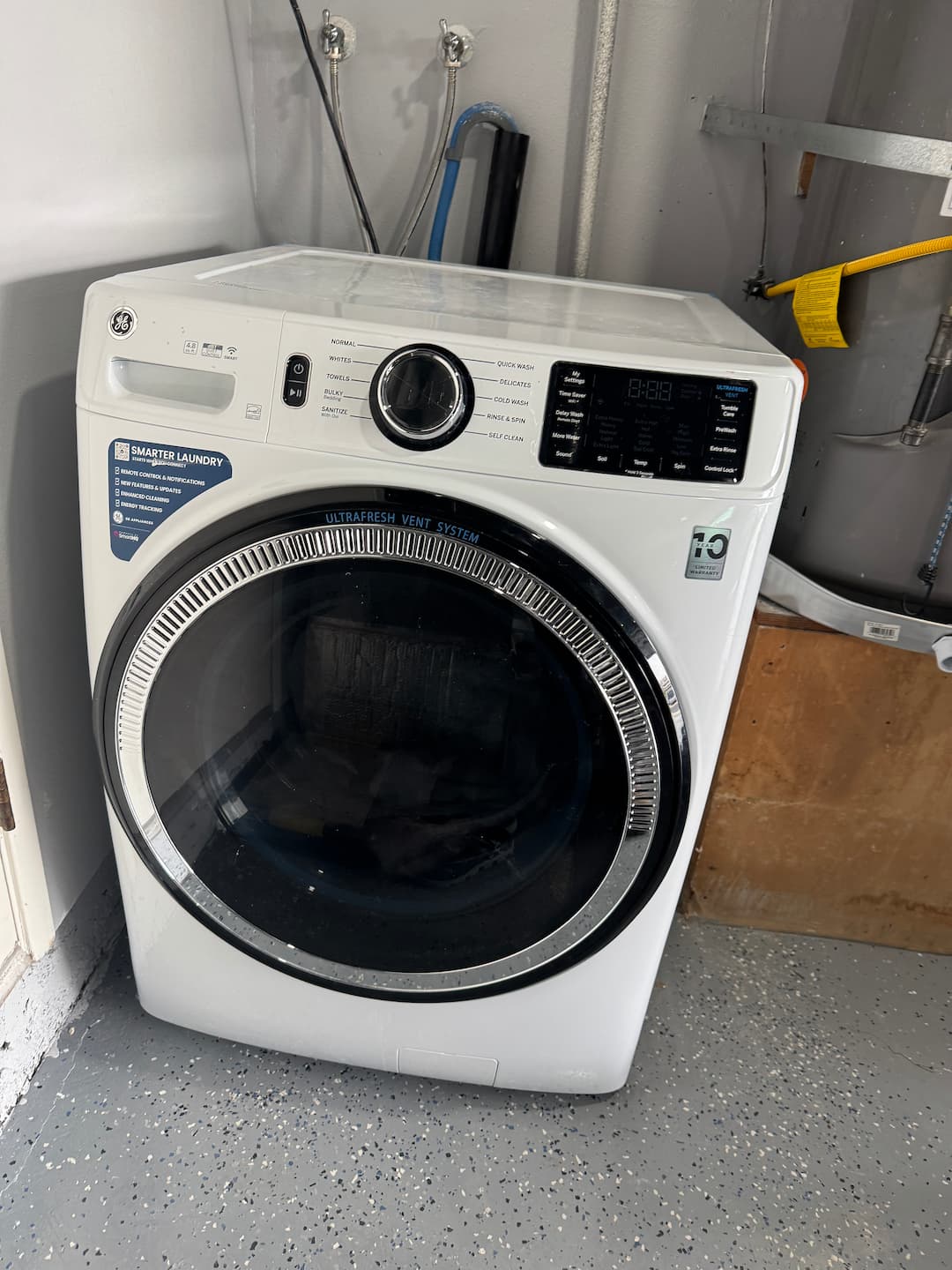
Washer problems create immediate pressure because once the load is left wet or the machine leaks, the whole laundry workflow starts backing up.
If the washer stops draining or spinning properly, the machine is already disrupting more than one part of the laundry routine.
The issue is not only a bad cycle. It is unfinished loads, extra cleanup, more time spent re-running laundry and a washer that no longer feels safe to trust unattended.
Wash Cycle Diagnosis
Washer repair starts with where the fill, wash, drain or spin path is failing.
A washer can seem like it has one simple issue when the real problem sits in water intake, agitation, draining, spin behavior or control timing. Better repair depends on tracing which stage of the cycle is no longer doing its job.
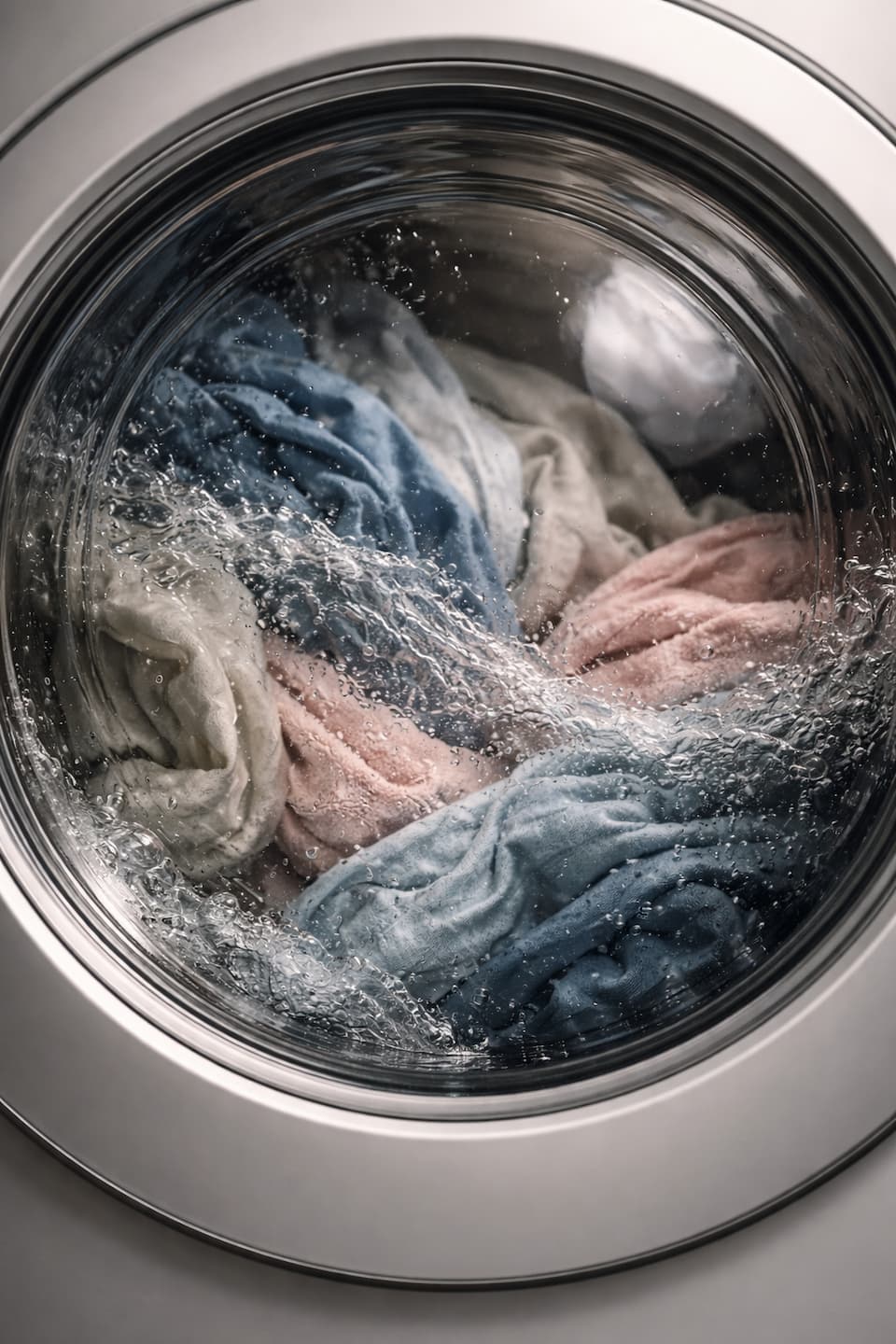
The symptom on the load is often only the last sign of a deeper cycle problem.
Wet clothes, interrupted spin and standing water can all look separate at first, but they often connect back to how the washer is progressing through the cycle and handling water from start to finish.
HAXX works through the stages that decide whether the washer can complete a usable load.
Repair scope depends on the machine and the complaint, but washer calls usually center on the parts and behaviors that determine whether the appliance can fill, wash, drain and spin in a way that actually finishes the laundry correctly.
If the washer cannot bring water in correctly, the rest of the cycle starts from the wrong position immediately.
The load has to be moved correctly during the wash stage for the cycle to stay balanced and effective.
Standing water and stalled cycles often point toward the stage that is supposed to clear used water out of the machine.
If the washer cannot stabilize and extract moisture correctly, the cycle stops feeling finished even when it technically ends.
Water escaping the machine changes the repair conversation from simple inconvenience to kitchen or laundry-room risk.
Interrupted cycles and erratic behavior often mean the machine is no longer managing progression the way it should.
The goal is not only to get the washer running again. It is to restore a cycle that can actually leave the load cleaned, drained and ready for the dryer without added guesswork.
Failure Patterns
Most washer repair calls land in water handling, spin behavior or load control failure.
Homeowners may describe many different symptoms, but those complaints usually collapse into a few core repair paths. Framing the pattern correctly helps create a more usable next step.
When the washer cannot move water the way it should.
This side of washer repair centers on fill, drainage and leak behavior that leaves the machine messy, incomplete or risky to keep using.
- Water remains in the tub after the cycle ends
- The washer leaks onto the floor or around the machine
- The appliance stops feeling safe to leave unattended
When the load is not being finished or extracted correctly.
Some repair calls are less about wash action and more about how the machine is handling spin, balance and moisture removal at the end.
- Clothes come out much wetter than they should
- The machine shakes, bangs or loses balance in spin
- The load reaches the dryer already behind schedule
When the washer stops progressing through the load normally.
Other repair calls focus on interrupted cycles, inconsistent machine behavior and a washer that no longer acts predictable from start to finish.
- The washer stalls mid-cycle or restarts oddly
- Normal loads take longer or finish inconsistently
- The machine no longer supports a dependable laundry rhythm
Why HAXX
Washer repair should restore a laundry cycle the household can depend on.
The real goal is not only getting the machine to power through another cycle. It is restoring a washer that can handle water, spin and load completion in a way that feels dependable enough to bring laundry flow back to normal.
HAXX approaches washer repair as a full cycle-performance problem, not a generic appliance visit.
The service call needs organized diagnosis, clearer communication and a practical explanation of why the washer is no longer finishing loads properly. That helps the homeowner move from repeated laundry disruption to clearer next steps faster.
The homeowner gets a stronger read on whether the problem sits in fill, drain, spin, balance or broader cycle behavior.
The repair discussion stays tied to real wet-load, leak and timing disruption rather than vague appliance language.
The next step should make sense for both the machine condition and the weekly laundry demand the home is actually carrying.
Why homeowners call HAXX when the washer stops feeling dependable.
A washer problem affects the whole laundry routine, so the service process has to reduce uncertainty and restore more believable cycle performance.
The homeowner needs to know the washer can return to actually finishing the load instead of leaving behind water, imbalance or extra cleanup.
Filling, draining and sealing behavior need to feel stable enough that the appliance is not creating a bigger room-level problem around the cycle.
If the stronger path is repair, follow-up work or replacement discussion, that direction should be clear enough to act on confidently.
Washer Repair FAQ
Common questions before booking washer repair.
Washer service is usually booked when the machine still partly runs but no longer finishes loads in a usable way. These are some of the most common questions that come up before the visit.
Can you repair a washer that does not drain all the way?
Yes. That is one of the most common washer repair calls. A machine can still perform much of the cycle while failing to clear water properly at the end.
What if the washer finishes, but the clothes are still soaked?
That is still a meaningful repair signal. A load that remains too wet usually points to a spin or balance problem that should not be left to keep repeating.
Is a leaking washer something to book quickly?
Yes. Even a small washer leak can become a flooring, laundry-room or cabinet problem if it is allowed to continue through normal weekly use.
Will you tell me if repair no longer makes sense?
Yes. If the stronger direction is to stop investing in the machine and discuss replacement instead, HAXX will keep that decision clear and practical.
Book Washer Repair
Book washer repair with HAXX.
If the washer is leaving water behind, failing to spin correctly or creating leak and cycle problems around the laundry room, HAXX can help move the service call forward with more organized diagnosis and a clearer repair path.
