
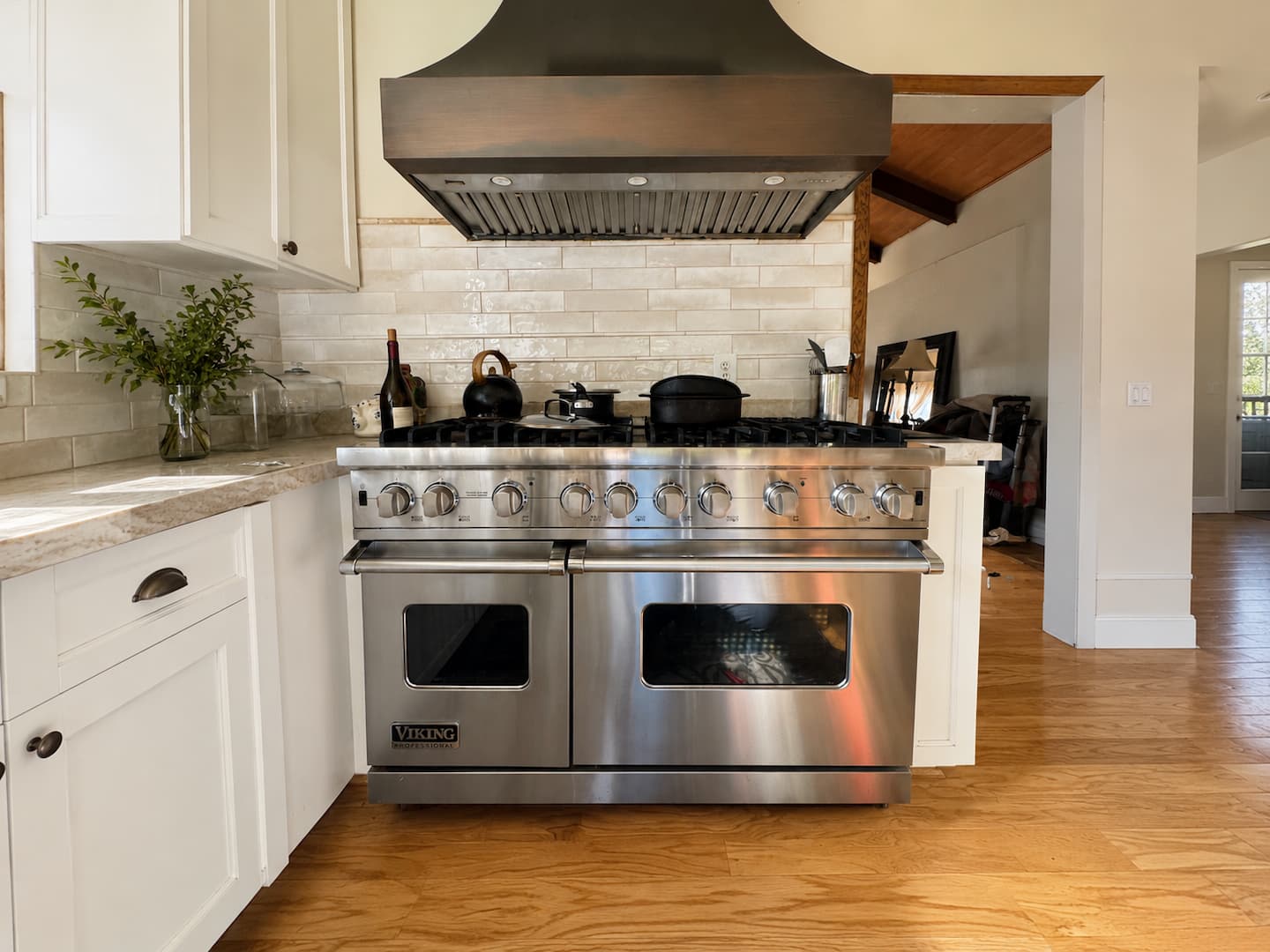
Appliance Repair | Gas Range Repair
San Jose gas range repair for burner ignition issues, weak flame and oven heating problems.
When burners stop lighting correctly, the flame looks uneven, the oven side falls behind or the range starts acting inconsistent from one use to the next, HAXX helps identify the fault and move the repair forward with a cleaner service process.
Common Service Calls
Gas range problems usually start with ignition, flame or heat consistency.
Many gas range repair calls begin before the appliance fully stops working. Burners start clicking too long, flame quality changes, the oven side falls behind or the whole range becomes harder to trust during normal cooking.
Most bookings happen when the range still works, but no longer works cleanly.
Gas range issues often create inconsistent cooking before they create a total shutdown. That matters because weak ignition and unstable flame usually point to a repair need that keeps growing more frustrating over time.
The burner may spark repeatedly, light late or fail altogether even though the control is being used normally.
When heat output changes from burner to burner, everyday cooking becomes slower, less controlled and harder to repeat.
The cooktop may appear usable while the oven portion struggles to ignite, preheat or maintain cooking temperature.
Performance may drift between meals, with burners or oven behavior changing enough to reduce confidence in the appliance.
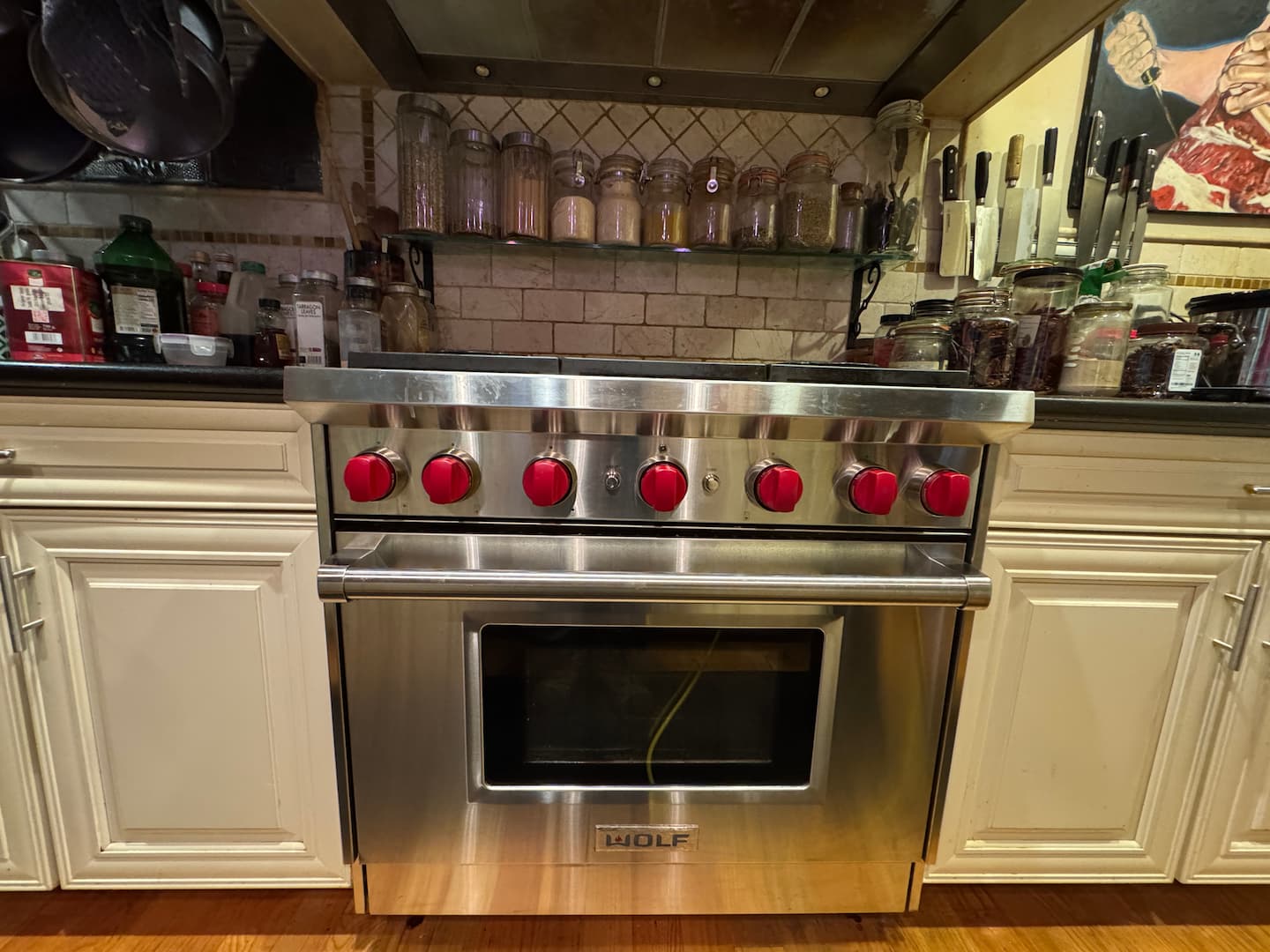
Gas range problems are felt immediately because burner response and oven heat both shape how quickly and accurately meals can be prepared.
If the range stops lighting cleanly or heating evenly, the kitchen usually feels it right away.
The issue is not only a single burner or a slow oven. It is losing control over timing, heat response and the consistency the appliance is supposed to deliver across daily cooking.
Cooktop and Oven Zones
A gas range can fail in one zone while the other still looks usable.
That is what makes gas range repair different from simpler appliance service calls. The homeowner may be dealing with burner ignition issues, oven heating trouble or a combination of both, so the repair path has to match the real failure zone instead of treating the appliance like one single problem.
Surface burner issues show up through lighting and flame behavior.
On the cooktop side, the range has to ignite quickly, hold a usable flame and respond cleanly to control changes. When that starts breaking down, daily cooking becomes harder to manage.
Burners that keep clicking, light late or miss ignition altogether usually need a more direct repair review.
Heat output that looks uneven across the burner can change pan performance and reduce cooking control.
One burner may fail while others continue working, which can make the range seem partly functional while still needing service.
The oven section has its own ignition and heat-control path.
The gas oven portion can struggle even when the burners still light. That often appears through failed preheat, delayed ignition or cooking temperatures that drift more than they should.
The oven may turn on but never build proper cooking temperature, or it may take far too long to get there.
Meals come out uneven because oven heat is not being produced or regulated the way the appliance needs.
Homeowners may still be able to use the top burners while the oven side has already become unreliable enough to book repair.
Ignition and Flame Path
Good repair starts with why the gas range is not lighting or heating cleanly.
A gas range can seem unpredictable when the underlying issue is actually specific and traceable. Better service comes from separating flame, ignition and heat-control faults so the homeowner gets a clearer answer on what is really happening inside the appliance.
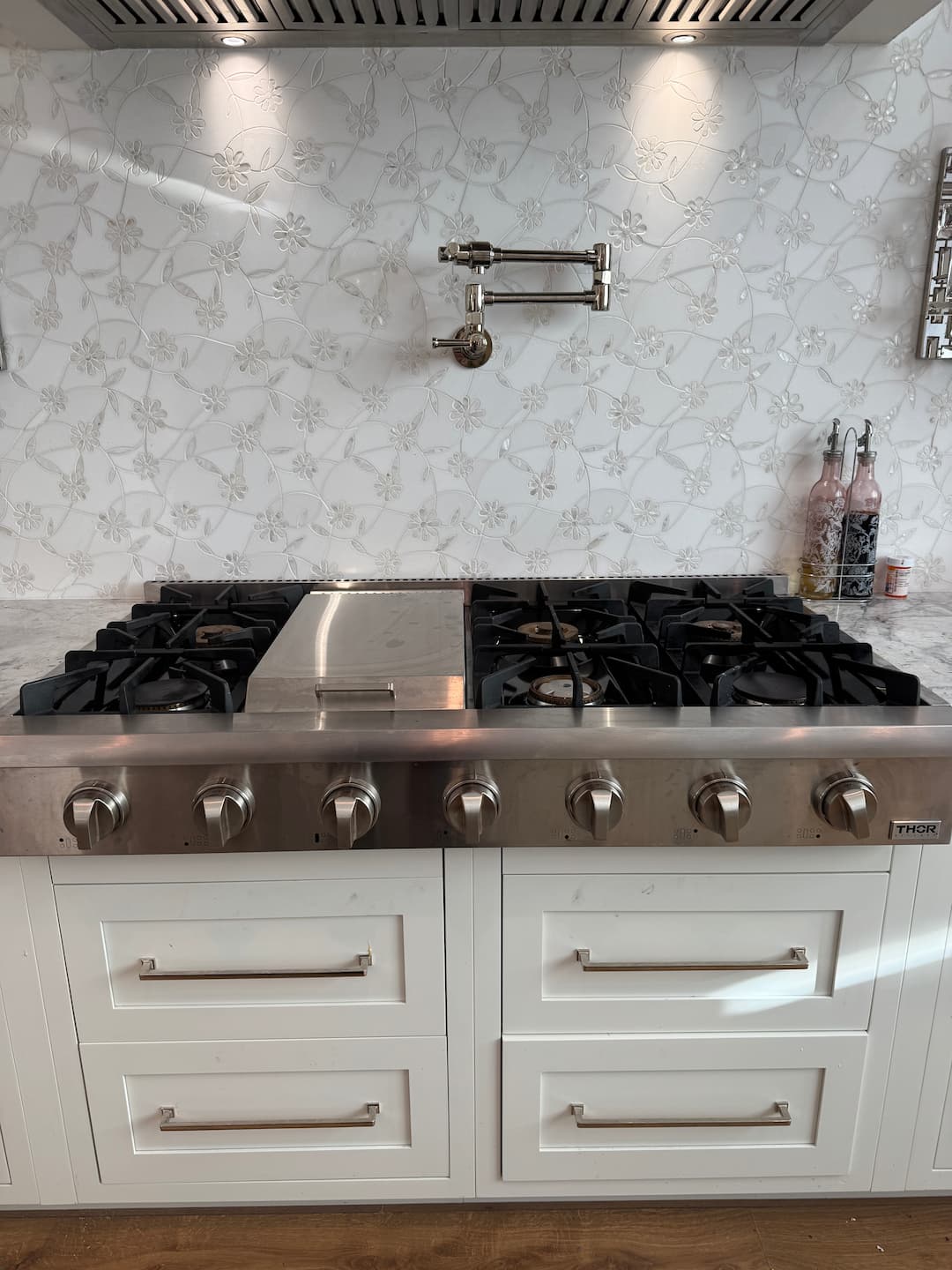
The symptom the homeowner sees is usually the end result of a problem somewhere between ignition, gas flow, heat build or temperature control.
The repair target is not just “make it light” but “make it perform like a range again.”
The appliance has to ignite predictably, hold usable flame and deliver cooking results that feel steady from one meal to the next. That is why diagnosis needs to go beyond a surface symptom.
HAXX works from the actual failure path, not from a generic appliance script.
Gas range repair needs to match whether the trouble sits in burner ignition, oven heat generation, temperature behavior or broader range performance. That creates a more useful repair conversation and a more believable outcome.
The first step is understanding whether the problem belongs to the cooktop, the oven section or both.
Ignition delay, weak flame, poor preheat and heat inconsistency each point toward a different repair path.
The homeowner should know what failed, what the repair addresses and whether the appliance is still worth investing in.
Why HAXX
Gas range repair should restore confidence in burner response and cooking control.
Homeowners are not only trying to get the appliance working again. They are trying to get back to a range that lights predictably, heats correctly and feels dependable enough for everyday cooking.
HAXX treats gas range repair as a performance and usability problem, not just a quick fix.
The job needs organized diagnosis, cleaner communication and a practical explanation of why the range has become unreliable. That helps the homeowner move from uncertainty to a clearer decision faster.
The homeowner gets a better read on whether the fault belongs to the burners, the oven side or the appliance more broadly.
The repair conversation connects the technical fault to the real cooking problems happening in the kitchen.
The outcome should make it clearer whether the gas range still supports a stable repair path worth continuing.
Why homeowners call HAXX when the range stops feeling dependable.
A gas range affects more than one cooking task at once, so the repair process has to reduce confusion and restore usable confidence in how the appliance behaves.
The homeowner needs to know the burners or oven can light the way they should without repeated attempts or uncertainty.
Flame and oven heat both need to feel stable enough to support normal cooking again, not just partial appliance function.
If the repair path still makes sense, it should be clear why. If not, the homeowner should know that too without guesswork.
Gas Range Repair FAQ
Common questions before booking gas range repair.
Gas range service is usually booked when the appliance still partly works but no longer feels reliable. These are some of the most common questions that come up before the visit.
Can you repair a gas range if only one burner is failing?
Yes. A gas range can have a burner-specific problem while the rest of the appliance still works. That is still a valid repair call because the range is no longer performing as it should.
What if the cooktop works but the oven side does not heat properly?
That is a common gas range issue. The oven section has its own ignition and heat path, so it can fail even when the top burners still appear usable.
Does weak flame count as a real repair signal?
Yes. Weak, unstable or uneven flame changes cooking performance and can point to a range problem that should not be dismissed as normal appliance aging.
Will you tell me if repair no longer makes sense?
Yes. If the better direction is replacement rather than continuing to invest in the appliance, HAXX will keep that conversation clear and practical.
Book Gas Range Repair
Book gas range repair with HAXX.
If the gas range is not lighting correctly, showing weak flame or losing oven-side heat performance, HAXX can help move the service call forward with more organized diagnosis and a clearer repair path.
