
San Jose Rebates & Incentives
Home rebates and energy incentives for San Jose upgrades that may qualify.
This page is for real rebate and tax-incentive programs tied to qualifying efficiency and electrification work, not coupons. HAXX helps homeowners understand which upgrade paths may be eligible, what documentation may be needed, and where program rules can affect timing, equipment choices, and project planning.
Real incentives tied to qualifying upgrades.
Rebates are not the same thing as promotional coupons. They usually depend on program rules, qualifying equipment, household eligibility, project timing, and in some cases contractor or utility participation requirements.
Qualifying Projects
Upgrades that often trigger rebate conversations.
Rebates and incentives are usually tied to project scope, equipment type, efficiency tier and program timing. These are some of the home upgrade categories most often associated with real rebate review in California and the Bay Area.
Not every upgrade qualifies the same way.
Some projects are better matched to tax credits. Others depend on income-qualified rebates, utility rules, or contractor participation requirements. Good rebate guidance starts with the actual upgrade path, not with a generic promise of savings.
Heat pump HVAC projects are one of the most common upgrade paths tied to both federal incentives and California electrification programs.
Water-heating electrification can also fall into current incentive and tax-credit conversations, depending on product eligibility and program availability.
Some electrical work may qualify only when it supports an eligible efficiency or electrification upgrade and meets current program criteria.
Envelope improvements and certified energy-audit work can also connect to incentive planning where the project is structured correctly.
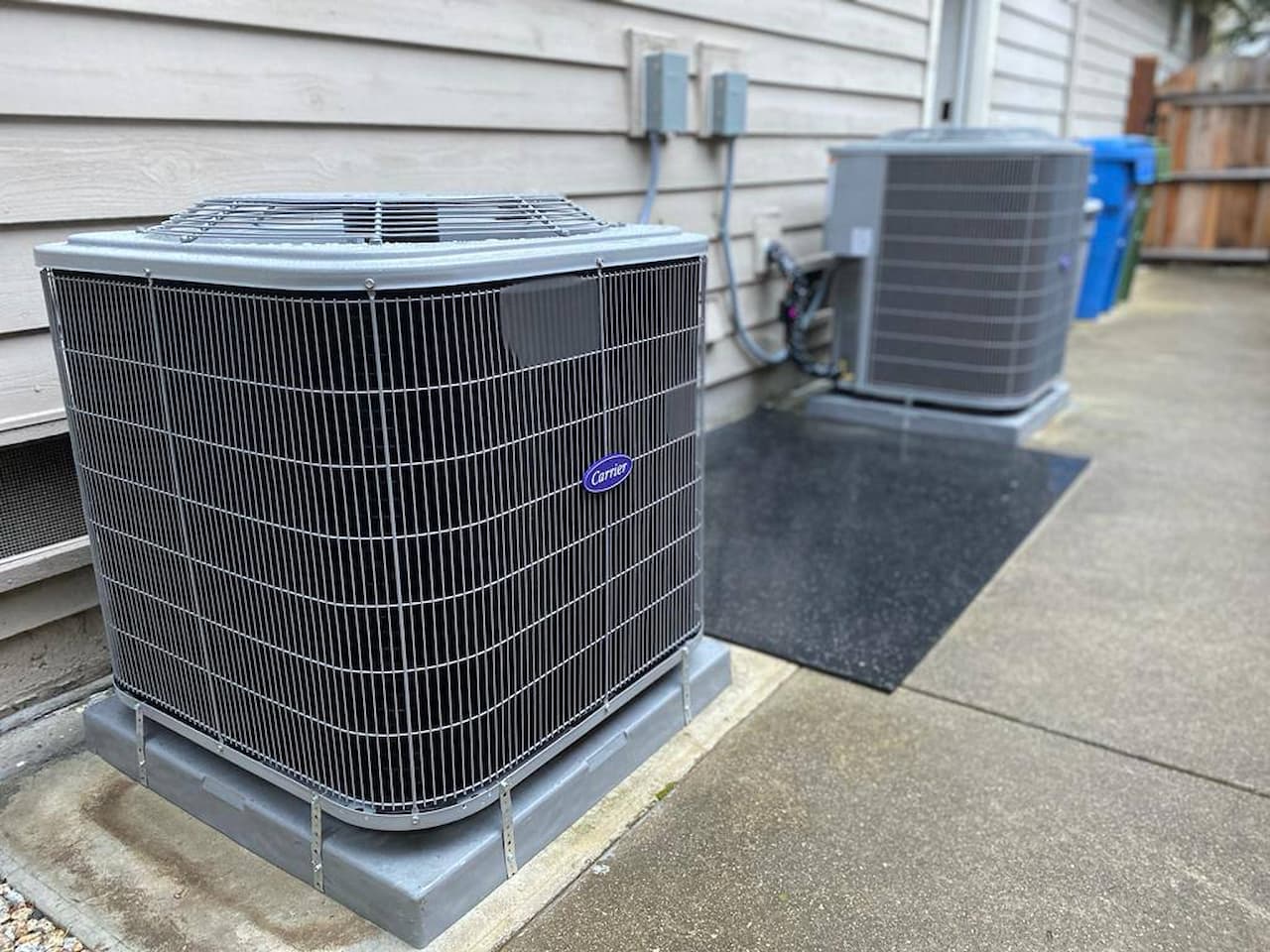
Real rebates usually follow qualifying equipment, qualifying work, and current program rules. They are not just general discounts applied to any project.
Rebate planning works best before the project is finalized.
Once equipment choices, permits, sequencing and documentation expectations are clear, it becomes much easier to determine whether a project should be structured around a tax credit, a rebate program, a utility incentive, or a combination of these where permitted.
How HAXX Helps
Rebate review should support the project, not confuse it.
The goal is not to overpromise savings. It is to help homeowners understand which incentive paths are worth reviewing, what constraints may apply, and how the upgrade should be planned if rebates are part of the decision.
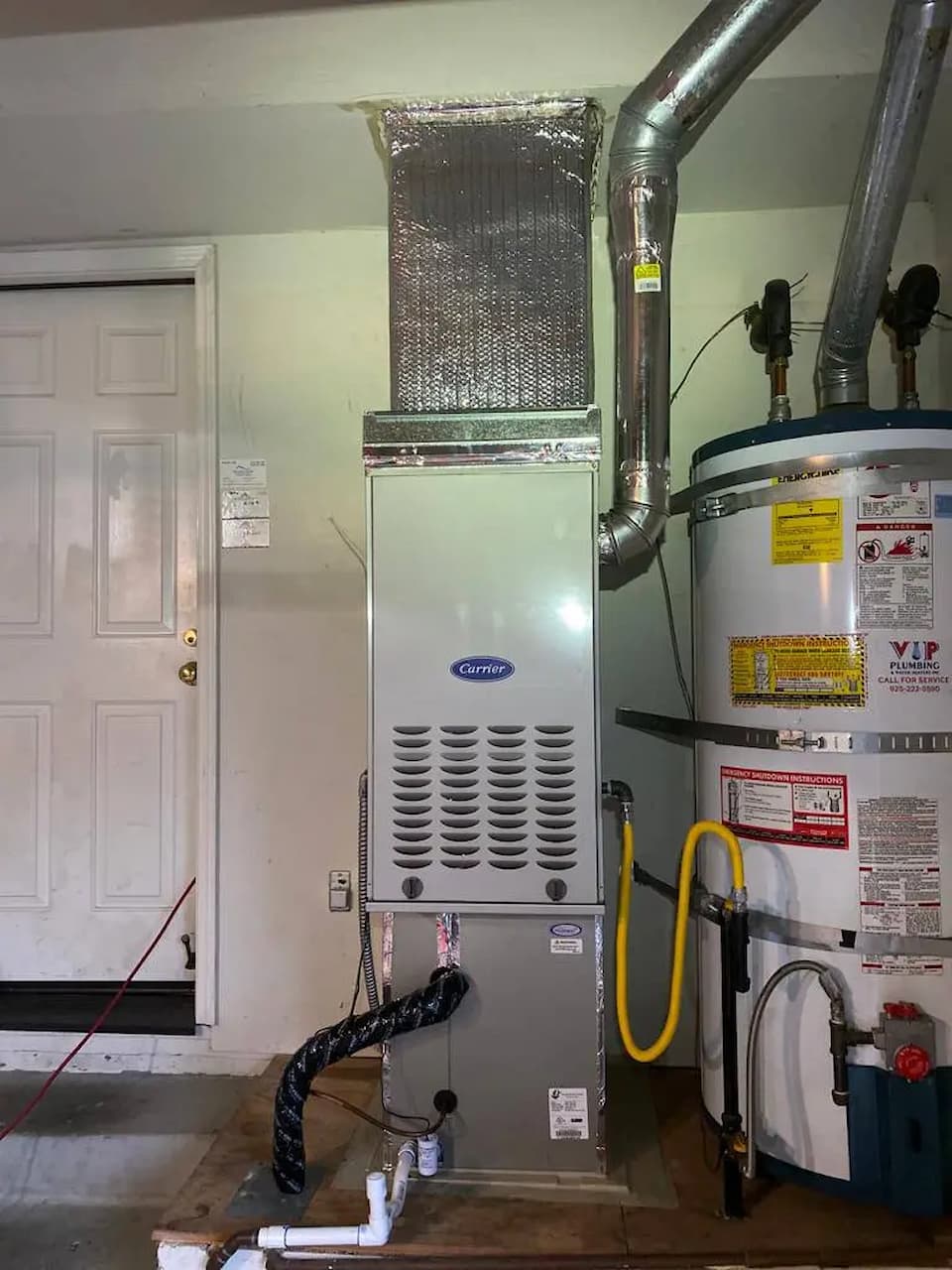
Good rebate guidance starts with the real upgrade scope, likely equipment path, and current program fit, not with a blanket promise of money back.
HAXX can help align the upgrade path with the most realistic incentive conversation.
That may mean reviewing likely eligibility, checking whether a program is income-qualified, confirming whether a project should be planned around electrification, or simply helping the homeowner understand where to verify the live program status before moving ahead.
Review the project type
Heat pumps, heat pump water heaters, panel readiness and efficiency upgrades each follow different incentive logic.
Check likely program fit
Some homeowners may be looking at tax credits, others at income-qualified rebates, and others at regional incentive directories.
Match equipment and scope
Qualifying product tiers, electrification requirements, retrofit rules and documentation needs can affect the best path forward.
Plan the next step clearly
Once the likely incentive path is clearer, the homeowner can move into estimate, scope and scheduling with fewer surprises.