
Appliance Repair | Electric Stove Repair
San Jose electric stove repair for burners not heating, temperature drift and control issues.
When an electric stove stops heating evenly, one burner fails, the oven side becomes unreliable or the controls start acting inconsistent, HAXX helps identify the failure and move the repair forward with a more organized service process.
Common Service Calls
Electric stove problems usually show up through heat inconsistency first.
Many repair calls begin before the stove fully stops working. A burner heats weakly, one section gets too hot, the oven side drifts off temperature or the controls stop feeling dependable, and those patterns usually mean the electrical path needs closer attention.
Most bookings happen when the stove still runs, but no longer cooks predictably.
Electric stove repair is often less about a dramatic shutdown and more about lost heat control. That matters because one weak burner or unstable oven cycle can keep turning into bigger cooking frustration over time.
A surface element may stay cold, heat only partly or work intermittently enough to make regular cooking unreliable.
Heat may come on too aggressively, cycle strangely or stop matching the setting the stove is being given.
The cooktop may still function while the oven section begins missing temperature, overcooking or underperforming.
When knobs, settings or response timing stop acting predictably, the appliance becomes harder to trust during normal use.
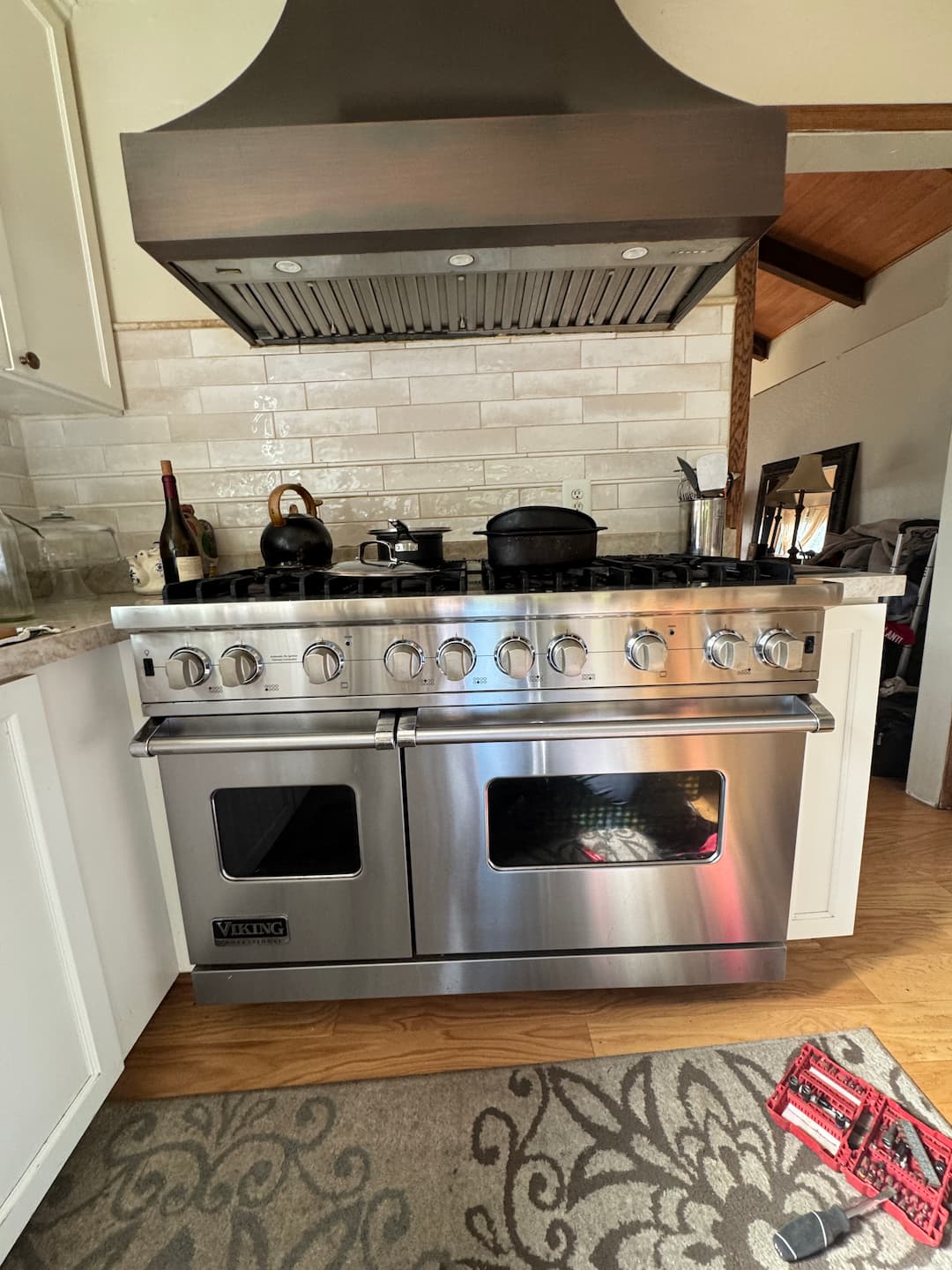
Electric stove problems are felt quickly because heat inconsistency changes how fast meals cook and how much trust the household can place in the appliance.
If the electric stove stops heating cleanly, the kitchen usually feels the disruption right away.
The issue is not only a bad burner or one missed meal. It is losing dependable control over surface cooking, oven timing and the repeatability the appliance is supposed to provide.
Heat and Control Path
Electric stove repair starts with where the heat path is breaking down.
An electric stove can look like it has one simple problem when the real issue sits in a surface element, switch, sensor, relay or control path. Better repair depends on tracing how power, response and heat output are actually behaving inside the appliance.
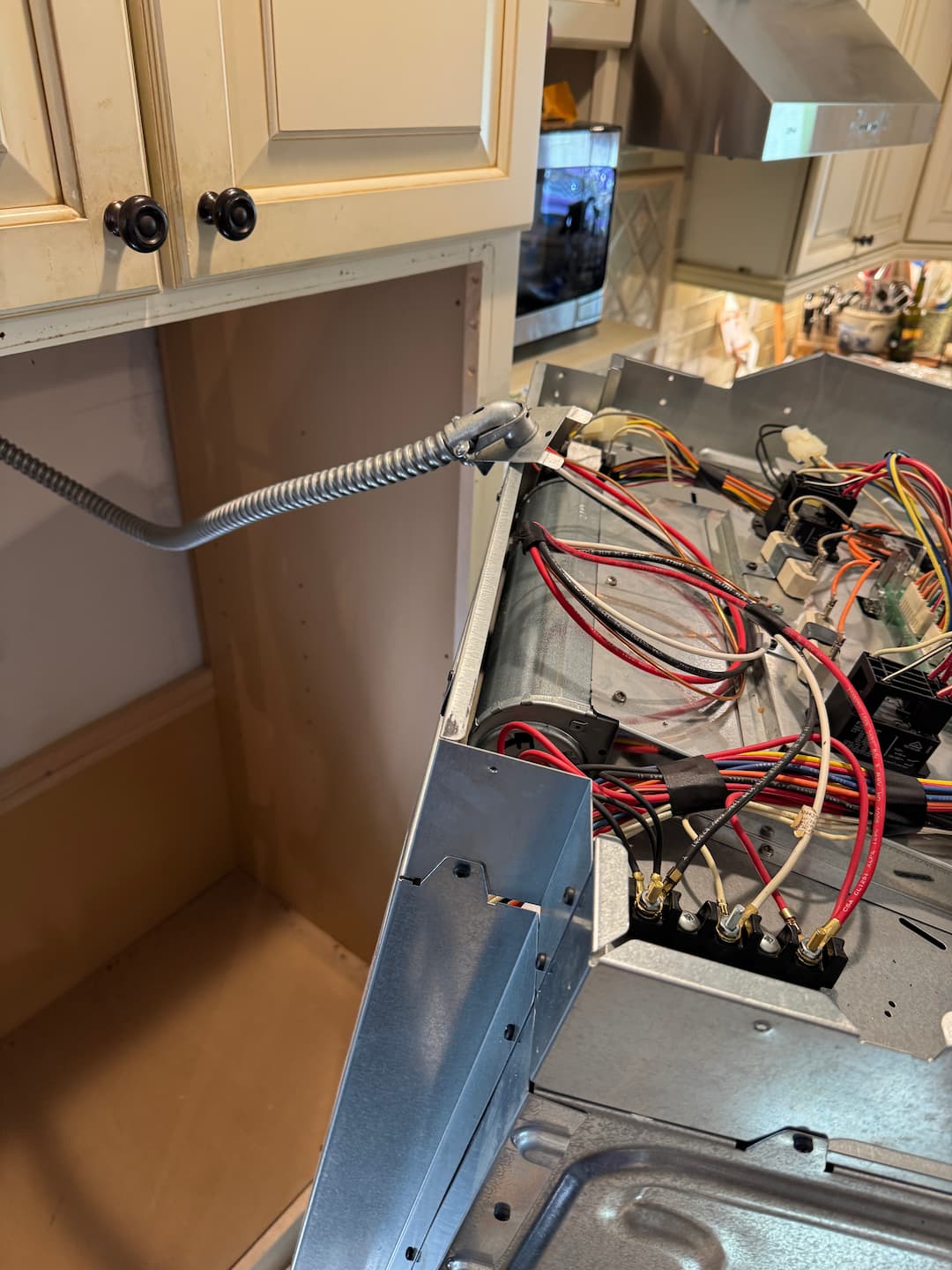
The symptom on the surface is not always the failed part underneath it.
A burner that overheats, cuts out or never warms fully can point to different problems depending on how the stove is receiving, switching and holding electrical heat.
HAXX works through the components that decide whether the stove can heat and respond correctly.
Repair scope depends on the appliance and the complaint, but electric stove calls usually center on the parts that shape surface cooking, oven temperature and overall control stability.
Electric burners depend on clean element performance to build and maintain usable cooking heat.
When the stove cannot regulate output correctly, burners may run too hot, too weak or unpredictably.
The oven section can have its own failure pattern around bake, broil or broader temperature recovery.
Electrical feedback and switching behavior can strongly affect whether the appliance holds the temperature it is supposed to deliver.
Intermittent heat or inconsistent response can trace back to the electrical path that supports the appliance under load.
Repair should also account for how reliably the stove responds to normal settings and day-to-day use.
The goal is not only to restore heat. It is to restore heat that behaves the way the stove should across burners, oven cycles and normal cooking demand.
Surface and Oven Roles
Electric stove problems may live on the cooktop, in the oven or across both.
That distinction matters because some repair calls are really about one surface burner, while others affect the whole appliance experience. Understanding where the performance is falling apart makes the next step much cleaner.
Surface element issues change how quickly and evenly the stove cooks.
On the cooktop side, the appliance needs responsive burner performance that matches the setting the user selects. When that breaks down, everyday cooking becomes less controlled and less efficient.
- One burner does not heat or only works intermittently
- A surface element runs hotter or weaker than expected
- Heat response no longer matches user control settings
- Pan cooking becomes uneven across normal meal prep
The oven section can fail separately even when the top still works.
Electric stove service often has to account for the oven portion independently, especially when baking results and temperature behavior are the main complaint.
- Oven no longer reaches or holds expected temperature
- Preheat takes too long or cooking results drift
- Broil and bake behavior stop supporting consistent meals
- The appliance looks partly usable while still needing repair
Why HAXX
Electric stove repair should bring back control, not just partial function.
The real goal is not only turning a burner back on. It is restoring an appliance that heats predictably, cooks more evenly and feels dependable enough to use without second-guessing every meal.
HAXX approaches electric stove repair as a heat-control problem, not a generic appliance visit.
The service call needs organized diagnosis, cleaner communication and a practical explanation of what is causing the stove to lose consistency. That helps the homeowner move from frustration to clearer next steps faster.
The homeowner gets a better read on where the stove is losing heat performance and why the symptom is happening.
The repair conversation connects the technical fault to the real cooking problems affecting the kitchen.
The next step should make sense both for the appliance condition and for the day-to-day cooking needs of the household.
Why homeowners call HAXX when the stove stops feeling dependable.
Electric stoves affect multiple cooking tasks at once, so the service process has to reduce uncertainty and restore more reliable control across normal use.
The homeowner needs to know the stove can heat the way it is expected to without drifting or dropping out unexpectedly.
Settings should translate into repeatable cooking results, not confusion around how the appliance will behave this time.
If the better path is repair, follow-up work or replacement discussion, that direction should be clear and grounded.
Electric Stove Repair FAQ
Common questions before booking electric stove repair.
Electric stove service is usually booked when the appliance still partly works but no longer cooks the way it should. These are some of the most common questions that come up before the visit.
Can you repair an electric stove if only one burner is failing?
Yes. A single burner that stops heating or behaves erratically is a common repair call. The appliance may still be partly usable while clearly needing service.
What if the burners work but the oven side is not heating right?
That is also common. The oven portion has its own heat path and control behavior, so it can fail even when the surface side still appears functional.
Does overheating count as a repair issue too?
Yes. A burner that runs too hot or ignores the selected setting is still a real performance problem because it changes safety, cooking control and overall appliance reliability.
Will you tell me if repair no longer makes sense?
Yes. If the stronger decision is to stop investing in the appliance and discuss replacement instead, HAXX will keep that direction clear and practical.
Book Electric Stove Repair
Book electric stove repair with HAXX.
If the electric stove is losing burner performance, struggling to hold oven temperature or no longer responding cleanly to controls, HAXX can help move the service call forward with more organized diagnosis and a clearer repair path.
